
Moisture is one of the biggest threats to the durability and structural integrity of any building. Whether it’s a residential property, commercial facility, basement, bathroom, terrace, or water tank, excessive moisture can lead to cracks, mold growth, paint damage, and long-term structural issues. This is why choosing the right waterproofing solutions is essential for protecting surfaces exposed to constant dampness and water intrusion.
Among the most widely used methods are chemical waterproofing systems and cementitious waterproofing treatments. While both aim to prevent water penetration, they differ significantly in composition, application, performance, and suitability for specific environments. Understanding these differences can help property owners make informed decisions while managing maintenance budgets effectively.
Why Waterproofing Matters
Before comparing the two methods, it’s important to understand the role of waterproofing in modern construction. Waterproofing creates a protective barrier that prevents water from entering building materials such as concrete, brick, and masonry.
Without proper waterproofing, structures may experience:
- Water seepage and leakage
- Damp walls and ceilings
- Mold and mildew growth
- Concrete deterioration
- Corrosion of reinforcement steel
- Reduced property value
Investing in effective waterproofing at the right stage can help avoid costly repairs in the future.
What Is Cementitious Waterproofing?
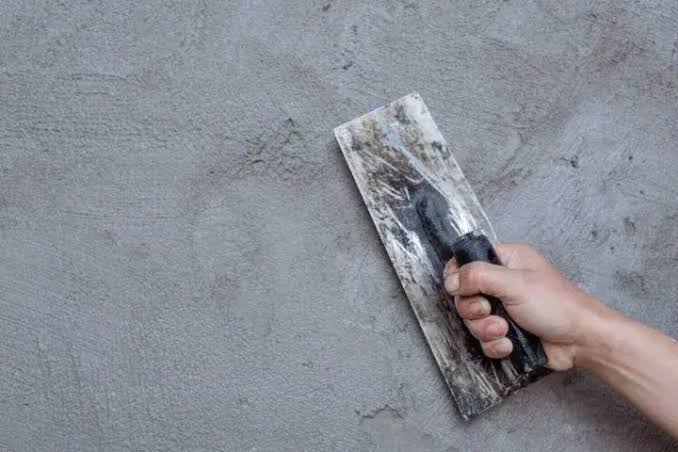
Cementitious waterproofing is one of the most common methods used in construction projects. It consists of cement-based compounds mixed with additives that improve water resistance.
The material is typically applied directly to concrete or masonry surfaces and forms a rigid waterproof layer once cured.
Advantages of Cementitious Waterproofing
- Easy to apply using standard construction tools
- Strong adhesion to concrete surfaces
- Suitable for water tanks, basements, and bathrooms
- Cost-effective for many residential applications
- Durable under static conditions
Because of its simplicity and affordability, cementitious waterproofing remains a popular choice for areas that experience regular moisture exposure but limited structural movement.
Limitations of Cementitious Waterproofing
The main drawback is its rigidity. Since the coating has limited flexibility, it may develop cracks if the substrate expands, contracts, or shifts over time. In areas exposed to significant temperature changes or structural movement, this can reduce long-term effectiveness.
Understanding Chemical Waterproofing Solutions
Chemical waterproofing uses specially formulated liquid membranes, polymers, polyurethane coatings, acrylic compounds, or elastomeric materials to create a flexible water-resistant barrier.
Unlike traditional cement-based systems, chemical waterproofing solutions are designed to accommodate minor movements in the structure without cracking.
Advantages of Chemical Waterproofing
- High flexibility and crack-bridging capability
- Excellent resistance to water penetration
- Suitable for terraces, roofs, and exposed surfaces
- Better performance in areas with structural movement
- Longer service life in demanding conditions
Many modern waterproofing solutions rely on advanced chemical technologies because they provide superior protection against recurring leakage issues.
Limitations of Chemical Waterproofing
Chemical systems generally require professional application and surface preparation. They may also involve a higher initial investment compared to basic cementitious coatings. However, their durability often offsets the upfront cost over time.
Which Waterproofing Method Works Best in High-Moisture Environments?
The answer depends on the specific conditions of the project.
Choose Cementitious Waterproofing When:
- Waterproofing bathrooms and internal wet areas
- Treating water storage tanks
- Protecting basement walls with minimal movement
- Working with limited budgets
- Applying waterproofing to concrete structures
Choose Chemical Waterproofing When:
- Waterproofing terraces and rooftops
- Protecting surfaces exposed to harsh weather
- Addressing recurring leakage issues
- Managing structures prone to expansion and contraction
- Seeking long-term flexibility and performance
For many modern buildings, a combination of both methods often delivers the best results. Cementitious products may be used as a base layer, while chemical coatings provide additional protection in critical areas.
Evaluating Costs with a Waterproofing Cost Calculator
Budget considerations are often a major factor when selecting waterproofing systems. This is where a waterproofing cost calculator can be particularly useful.
A waterproofing cost calculator helps estimate project expenses based on factors such as:
- Surface area
- Type of waterproofing system
- Material requirements
- Labor costs
- Surface condition
- Number of protective coats needed
Using a waterproofing cost calculator allows property owners to compare different waterproofing solutions and make financially informed decisions before beginning a project.
Final Thoughts
Choosing between chemical and cementitious waterproofing solutions requires careful evaluation of the environment, structural conditions, and long-term performance expectations. While cementitious systems offer affordability and ease of application, chemical waterproofing provides enhanced flexibility and durability for challenging moisture-prone areas.
By understanding the strengths and limitations of each method—and using tools such as a waterproofing cost calculator to assess project expenses—you can select the most effective waterproofing strategy for your property. A well-executed waterproofing system not only prevents water damage but also protects your investment and extends the lifespan of the structure for years to come.